The first, and some would argue, most essential piece of any role playing game is character creation. This is where a player creates their avatar for the game or campaign. A person chooses the race (elf, dwarf, human, minoch, grinch, Lego minifigure), class (warrior, wizard, rogue, musician, wanker) and attributes (how strong, smart or good looking the avatar is). All games have a manual that serves as the Bible for character creation, describing the different races, classes and attributes a person can build their character around. In Dungeons and Dragons that book is call the Players Manual.
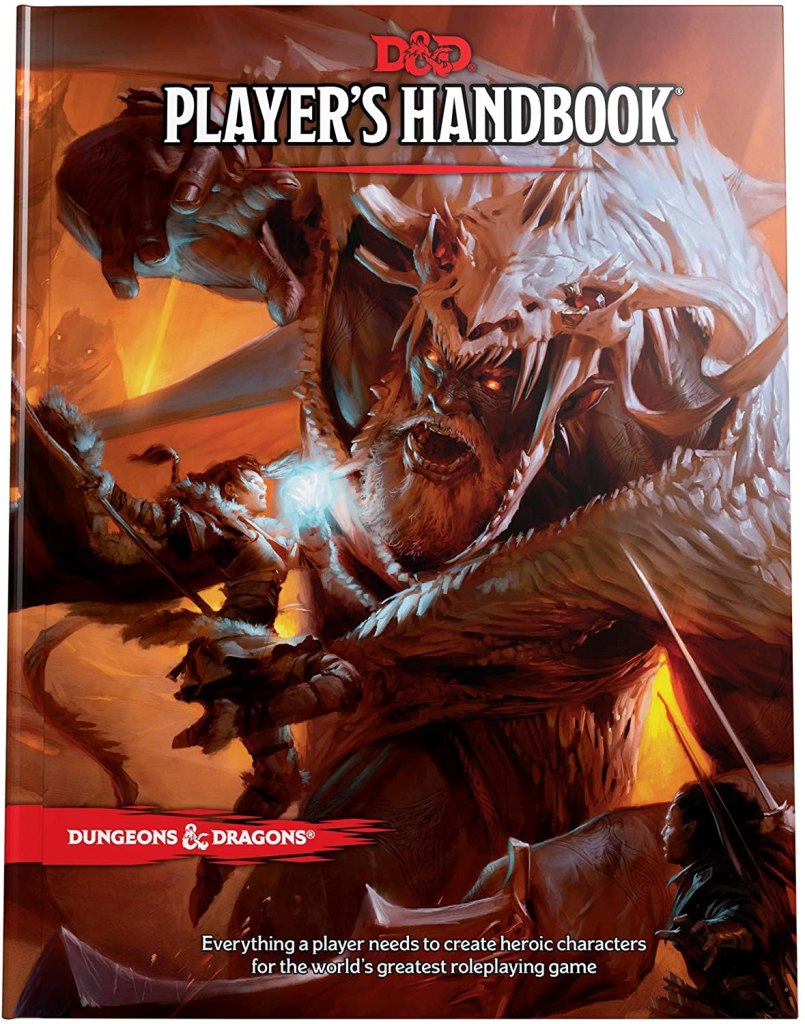
I have always played Dungeon’s & Dragons, mostly it has the closest link to Tolkien mythology. I love the elfs, dwarves, and halflings of Middle Earth, or Fearun as in D&D lore. In character creation, a person gets to build the avatar they will embody over the adventure, and when creating a character one must consider their role in the Party. Will you be the meat shield who absorbs the hits while dealing massive amounts of damage to your enemies? How about the sneaky scout who finds and disables traps and locates the goblin horde before they find out. Or the charismatic warlock who is the social butterfly but also has dangerous spells. Every party needs a diverse group who has different skills but can come together for the greater good.
Side tangent: wouldn’t this description make “Seven Samurai” a D&D adventure? Seven distinct Samurai join together to protect a town from bandits. The only thing it is missing is old man showing up in a pub wearing a cape and looking for help. Well, that kinda happened.

Since this was my reintroduction to the worlds greatest role playing game, I wanted something I had not played before. I did the research, read the stats, and found something new: Dragonborn!
 Durgan's Dungeon